
The Pharaohs
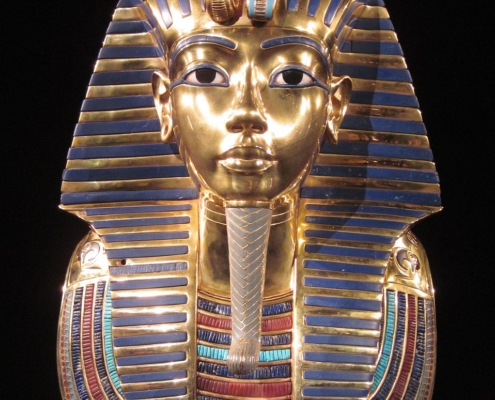 The pharaohs were the rulers of ancient Egypt, regarded as both political and religious leaders. They were considered divine figures, representing the gods on Earth and serving as the intermediary between the gods and the people. The title “pharaoh” itself wasn’t used during the earlier periods of Egyptian history but came into common use around the New Kingdom. It originally referred to the royal palace but later came to represent the ruler himself.
Pharaohs were believed to possess the ka, or soul, and to have divine powers that ensured the prosperity and stability of the nation. Their reigns were often marked by military conquests, monumental building projects, and religious reforms. Here are some notable pharaohs throughout different periods:
Old Kingdom (c. 2686–2181 BCE)
- Khufu (Cheops) (c. 2589–2566 BCE)
- Famous for: The Great Pyramid of Giza, which is one of the Seven Wonders of the Ancient World.
- Khufu was a powerful and authoritative ruler, and his pyramid remains a symbol of Egypt’s monumental architectural achievements.
- Sneferu (c. 2613–2589 BCE)
- Famous for: Building the Bent Pyramid and the Red Pyramid, which marked significant advancements in pyramid construction techniques.
- Sneferu is often credited with developing the methods that led to the creation of the true pyramids.
Middle Kingdom (c. 2055–1650 BCE)
- Mentuhotep II (c. 2061–2010 BCE)
- Famous for: Reuniting Egypt after the First Intermediate Period and establishing the 11th Dynasty.
- His reign marked the beginning of the Middle Kingdom, a time of stability and prosperity for Egypt.
- Amenemhat II (c. 1929–1895 BCE)
- Famous for: Expanding trade routes and establishing Egypt’s influence over parts of the Near East.
New Kingdom (c. 1550–1077 BCE)
- Hatshepsut (c. 1479–1458 BCE)
- Famous for: Being one of the few female pharaohs and known for her extensive building projects, including the magnificent temple at Deir el-Bahari.
- She ruled as a regent for her stepson, Thutmose III, before declaring herself pharaoh and ruling in her own right.
- Thutmose III (c. 1479–1425 BCE)
- Famous for: Expanding Egypt’s empire through military campaigns, especially in Syria and Nubia.
- Often called the “Napoleon of Egypt,” Thutmose III is regarded as one of Egypt’s greatest warrior pharaohs.
- Akhenaten (c. 1353–1336 BCE)
- Famous for: Introducing a monotheistic religion centered around the worship of the sun god Aten.
- Akhenaten moved the capital to Akhetaten (modern-day Amarna), and his religious reforms were unpopular, so his legacy was largely erased after his death.
- Tutankhamun (c. 1332–1323 BCE)
- Famous for: Being one of the most famous pharaohs due to the discovery of his tomb, which was largely intact and filled with treasures.
- Tutankhamun is known for restoring the traditional polytheistic religion after his father Akhenaten’s monotheistic changes.
- Ramses II (Ramses the Great) (c. 1279–1213 BCE)
- Famous for: His long reign (66 years), military campaigns (notably the Battle of Kadesh against the Hittites), and monumental building projects like the temples at Abu Simbel.
- Ramses II is often considered the greatest of the pharaohs, and his reign marked the peak of Egypt’s power and glory.
 Other Notable Pharaohs
- Seti I (c. 1290–1279 BCE)
- Famous for: Leading successful military campaigns in the Levant and Nubia and building the impressive Temple of Seti I in Abydos.
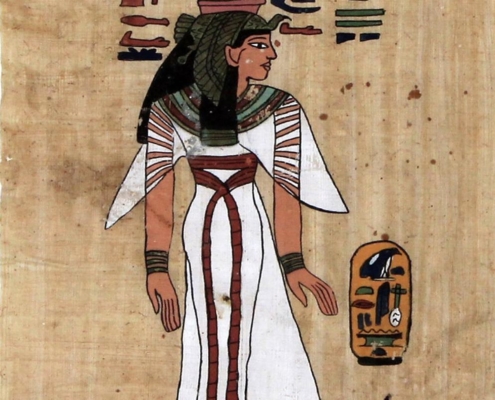
- Cleopatra VII (c. 69–30 BCE)
- Famous for: Being the last active ruler of the Ptolemaic Kingdom of Egypt. She is one of the most famous Egyptian rulers, known for her political alliances with Julius Caesar and Mark Antony.
- Cleopatra was a descendant of Ptolemy I Soter, one of Alexander the Great’s generals, and her reign marked the end of ancient Egyptian rule as Egypt fell under Roman control after her death.
Pharaohs’ Roles:
- Political Leaders: Pharaohs were the absolute rulers of Egypt, holding ultimate authority over the military, government, and the land.
- Religious Figures: They were seen as living gods, specifically the earthly representation of the gods, with a direct connection to deities like Ra (the sun god) and Osiris (the god of the afterlife).
- Builders: Many pharaohs were responsible for massive architectural projects, including temples, monuments, and tombs, to honor the gods and themselves.
- Military Leaders: Pharaohs led Egypt’s armies in conquest and defense, especially in the New Kingdom period when Egypt became an empire.
In summary, the pharaohs were much more than just rulers—they were central to Egyptian religion, politics, and society, embodying both divine and earthly authority. Their legacies have had a lasting impact on Egypt’s cultural heritage, which continues to fascinate the world today.